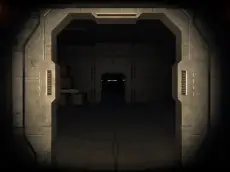
Door out: Second level
Navigate a 3D environment in this sequel from EnroGame, using exploration and interaction to find your way through the second level and reach the exit.
About Door out: Second level
Door out: Second level is a 3D exploration game built with Unity, focusing on navigating through a specific environment to find an exit. Players take a first-person perspective, moving through the space to identify paths and interact with objects that might aid their progress. The game emphasizes atmospheric navigation, making it suitable for those who enjoy environmental observation and steady-paced spatial puzzles.
The sequel builds on the premise of the original, requiring careful movement and thorough investigation of the surroundings. By utilizing various movement options like crouching and running, you can explore every corner of the map. It is a straightforward experience designed for players who appreciate the challenge of finding a way out of a confined or complex structure through direct interaction.
Why players like Door out: Second level
- Immersive first-person 3D environment.
- Simple and intuitive interaction mechanics.
- Focus on exploration and spatial navigation.
- Atmospheric level design that encourages investigation.
Instructions


SPACE = jump
SHIFT = run
C = crunch
E = interaction
How to play
Navigate the 3D space using standard movement keys to find the exit. Use the mouse to look around and identify points of interest. You can interact with objects in the environment by pressing the interaction key. If you encounter obstacles, try jumping or crouching to bypass them. Success depends on exploring the area thoroughly and finding the specific path or door that leads to the end of the level.
Tips for beginners
- Use the shift key to run when you need to cover open areas more quickly.
- Crouch to check under objects or enter low-clearance passages that might be hidden.
- Interact with various elements in the environment to see if they trigger necessary changes.
- Observe your surroundings from different angles to spot paths that are not immediately visible.